In the middle of January, the Polish Media Center at PICROL sent out a survey to our local Polish language schools. We are pleased to announce that all five schools answered our questions. Thank you for taking the time and providing us with the information!
We would like to take this opportunity to thank all of the teachers, teacher assistants, as well as parents and grandparents, whose unwavering dedication, passionate commitment and immense everyday efforts allow the schools to run and provide education not only in Polish language, literature and history, but also in patriotism and citizenship. Serdecznie dziękujemy!
We would also like to congratulate the Adam Mickiewicz Polish Language School, which was established in 1971, and this year celebrates its 55th birthday!
This overview is divided into four parts. The are:
1. Survey goals and questions
2. Conclusions from the survey
3. Numbers at a glance
4. Individual reports from each of the five schools
Part 1: Survey’s goals and questions
Our goal was to find out how well the schools are doing: what are their enrollments, if they went up or down (in the last two years), who are the students, what the schools consider their biggest successes, and what challenges they face. By publishing the reports, we first want to highlight and promote the very important work of the schools, as well as facilitate a better knowledge and appreciation of this work. We also hope that the information about the schools will encourage higher participation of youth and adults in Polish language classes and that the schools find inspiration in each other’s work.
It is important to mention that Polish folk-dance groups play an important role in promoting the Polish language. All of them teach students Polish songs as well as some limited vocabulary, while the Dunajec group conducts its instructions solely in Polish, as teaching the dancers the Polish language is a part of their mission.
The survey questions:
- When and by whom was your school established?
- How many students did you have at the end of 2025? Who are your students? Do they come from Polish-speaking families, first-generation Polish Americans, or from different backgrounds (ethnically mixed families, the second generation of Polish Americans, etc.)?
- Where do you hold classes?
- Did the number of students increase, decrease or stay the same in the last two years? If you can, please elaborate on possible causes for this situation.
- How many instructors does your school employ?
- Did the number of the instructors increase, decrease or stay the same in the last three years? If you can, please elaborate on possible causes for this situation.
- What do you consider your biggest achievements of the last two years?
- How do you see the future of your school in the next two years?
- What do you consider your biggest challenges in the next two years?
- What are the sources of funding for your activities? Are they sufficient?
- Please share with us anything else you feel is important and what was not covered in this questionnaire.
Part 2: Conclusions from the survey
- Overall, the number of students in the Polish language schools has decreased during the last two years. Two main causes are: the effect of the pandemic, and the decreasing number of new immigrants coming from Poland.
- The number of students who come from non-Polish speaking households has increased.
- The number of adult students taking Polish language has also increased.
- Teaching online has proven to be an effective way of boosting enrolments, as it allows for more flexibility for both young and adult students.
- As community, we need to devise more effective ways to promote the learning of the Polish language.
- Also, we need to come up with ways to help the schools fund their activities. This includes better dissemination of information about available sources of funding, especially ones coming from Poland.
Part 3: Numbers at glance
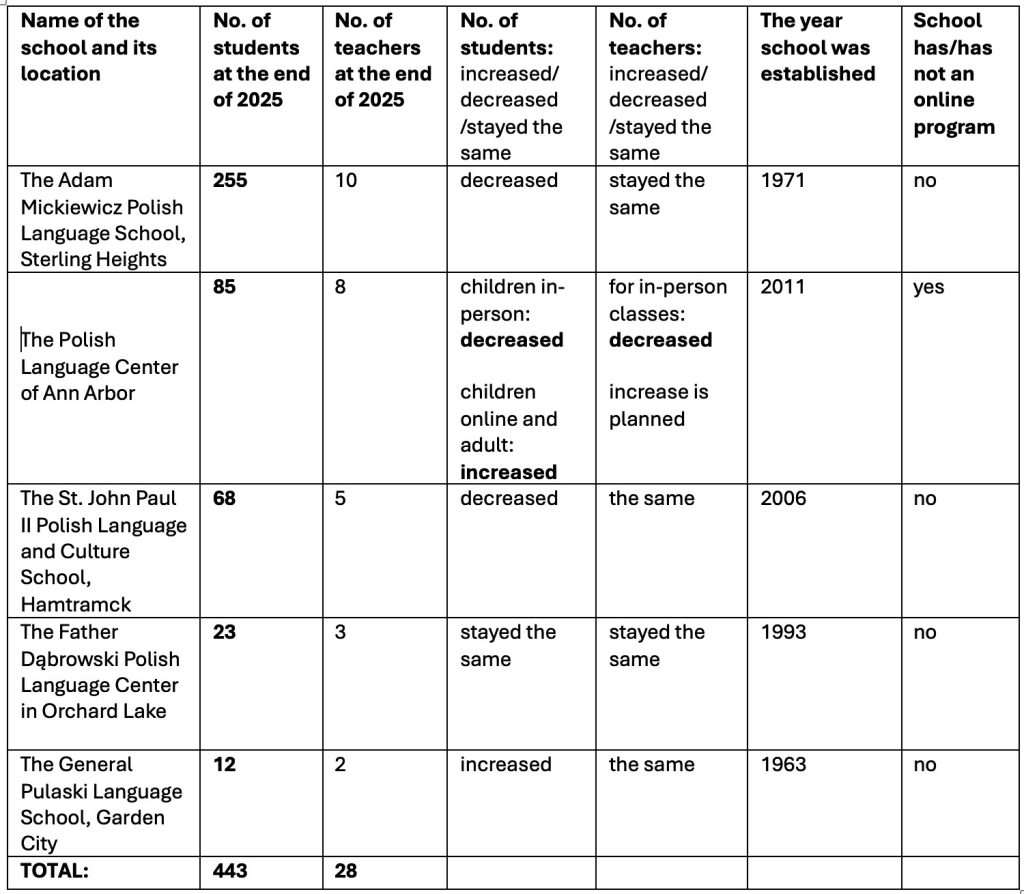
Part 4. Individual reports from each of the schools
1. SZKOŁA JĘZYKA POLSKIEGO IM. ADAMA MICKIEWICZA /THE ADAM MICKIEWICZ POLISH LANGUAGE SCHOOL,STERLING HEIGHTS

Contact: Jolanta Gmurowski, jgmurowski@hotmail.com
School website (has current information and regular updates): https://szkolamickiewicza.org
School’s FB page: https://www.facebook.com/szkolamickiewicza
1. When and by whom was your school established?
The Adam Mickiewicz Polish Language School was established in 1971 by Mr. Antoni Walawender. The school was started with only a handful of students but by the early 2020s grew to serve almost 400 students.
2. How many students did you have at the end of 2025? Who are your students? Do they come from Polish-speaking families, first-generation Polish Americans, or from different backgrounds (ethnically mixed families, the second generation of Polish Americans, etc.)?
The school currently serves 255 students, from preschool to adults. The students come from various backgrounds, from the children of Polish immigrants to third generation Polish Americans. We also have students from ethnically mixed families and offer Polish language classes for students who do not speak Polish at home.
3. Where do you hold your classes?
Classes are held in the educational building next to Our Lady of Czestochowa Catholic Church in Sterling Heights, MI.
4. Did the number of students increase, decrease or stay the same in the last two years? If you can, please elaborate on possible causes for this situation.
The number of students fell significantly during the Covid pandemic. Immigration from Poland has also decreased in recent years, creating a lower demand for classes. However, the need for Polish language classes for non-native speakers has increased.
5. How many instructors does your school employ?
Our school currently employs 10 Polish language instructors.
6. Did the number of the instructors increase, decrease or stay the same in the last three years? If you can, please elaborate on possible causes for this situation.
The number of instructors has remained steady over the past three years.
7. What do you consider your biggest achievements of the last two years?
Our biggest achievement is the success of our students. We are proud that many of the students in our older classes have achieved the Seal of Biliteracy Award, a recognition given by the state of Michigan to students who have studied and attained proficiency in a second language before their high school graduation. Students who pass the Seal of Biliteracy exam can receive college credit for their Polish language skills. In 2025, 36 of our high school students took and successfully passed Seal of Biliteracy exam.
8. How do you see the future of your school in the next two years?
Our school will be celebrating its 55th year of teaching this year. We are planning to honor our past and present students, teachers and partners with the publication of a book and a 55th Anniversary Gala event. Over the next two years, we will continue teaching and serving the Polish American community in the Metro Detroit area.
9. What do you consider your biggest challenges in the next two years?
As we face a declining number of students, our greatest challenge is to motivate students and their parents to continue studying the Polish language. We are also shifting our teaching methods to accommodate more students who do not speak Polish at home.
10. What are the sources of funding for your activities? Are they sufficient?
Our activities are funded by class tuition and by occasional donors. We are grateful for the Polish American Federal Credit Union, which sponsors our largest annual event, the “Parade of Talent” Show.
11. Please share with us anything else you feel is important and what was not covered in this questionnaire.
Over the years, the Adam Mickiewicz Polish Language School has become a fundamental institution in the Polish American community and beyond. Besides teaching Polish language, history, geography and culture, we provide multiple opportunities for our students to engage with and share their Polish culture not only at our school and parish, but also in communities throughout the Metro Detroit area. Students participate in various theatrical, cultural and patriotic events, performances, radio broadcasts, parades and competitions. They also have opportunities to serve in the community by preparing gifts for, visiting and performing at senior centers, as well as volunteering during our summer camps organized for our youngest students. Over the past 55 years, thousands of students have passed through the doors of our school. We are proud of their achievements and how beautifully they represent their Polish heritage as they serve, work and contribute to the broader American community.
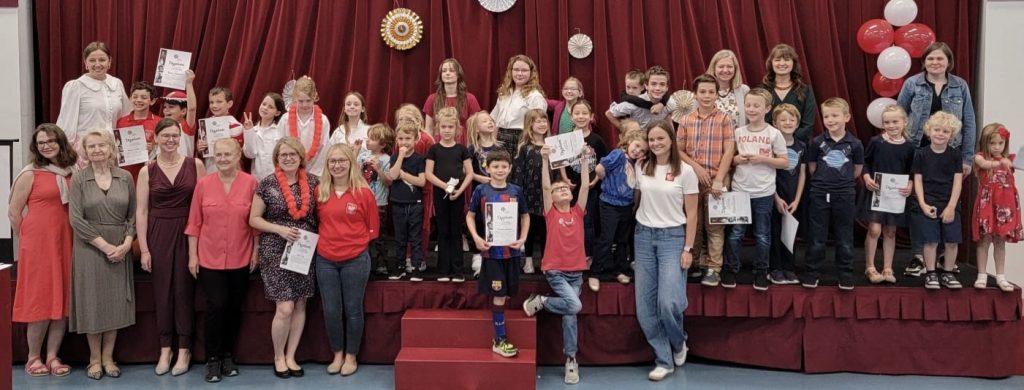
2. POLSKA SZKOŁA W ANN ARBOR/THE POLISH LANGUAGE CENTER OF ANN ARBOR
Contact: Kasia Wible, PolskaSzkolaAnnArbor@gmail.com
School’s website (updated): https://polskaszkola.weebly.com/
School’s FB (updated): https://www.facebook.com/PolishAnnArbor/
1. When and by whom was your school established?
The Polish Language Center of Ann Arbor (Polska Szkoła w Ann Arbor) was founded in 2011 by parents whose dream was for their children to learn Polish. The founders are Basia Alvarez, Ildi Porter-Szucs, and Joanna Wierzbicka.
2. How many students did you have at the end of 2025? Who are your students?
We had 37 children (ages 3–12) in in-person Saturday classes. Most come from families where Polish is heard daily. Most of our students have one Polish-speaking parent, while others have two.
We had 16 children (ages 5–17) in online classes, representing a mix of Polish-speaking families and first-generation Polish American families.
We also had 32 adult students in online group and individual classes. Our adult learners include first- and second-generation Polish Americans, as well as individuals who married into Polish families. Most do not have opportunities to speak Polish at home, so they appreciate the chance to practice in class. We also offer conversation groups where students meet with a native speaker every other week at a local library.
3. Where do you hold classes?
Our in-person children’s classes are held at Spiritus Sanctus Academy in Ann Arbor, where we rent space (4101 E Joy Rd, Ann Arbor, MI 48105). Students come to us not only from Ann Arbor, but also from surrounding towns such as Ypsilanti, Novi, Northville, Canton, South Lyon, Brighton, Plymouth, Howell, Dearborn, Allen Park, and even Lansing.
Other classes are held online.
4. Did the number of students increase, decrease, or stay the same in the last two years?
In-person children’s classes decreased last year mainly because older children had Saturday conflicts due to sports and other activities. This year, however, we have returned to our usual numbers, thanks to increased enrollment, particularly among new students ages 3–5.
Online children’s classes increased because they are easier to fit into students’ busy schedules.
Adult enrollment increased due to strong interest in the Polish language, heritage, and travel to Poland. Many people return from Poland motivated to continue learning. Overall, Poland is greatly loved by our students. Another important factor is our teachers; they are from Poland and hold master’s degrees in teaching Polish as a foreign language. Their expertise and ability to guide students in learning the language have been crucial in our success.
5. How many instructors does your school employ?
For in-person classes, we have small groups organized by age and proficiency, with 5 teachers and 4 assistants.
Online children’s classes currently have 1 teacher, with plans to expand to 2.
Adult classes have 2 teachers, with plans to expand to 3.
6. Did the number of instructors change in the last three years?
For in-person classes, the number decreased due to lower enrollment last year.
We are planning to increase the number of instructors for online classes.
7. What do you consider your biggest achievements of the last two years?
Our greatest achievements include building a strong community, fostering friendships and connections, and helping students feel proud of being Polish. Within our community, many people strongly believe in our mission and choose to get involved whether as teachers, school board members, or volunteers who generously give their time whenever there is a need.
We expanded cultural experiences so that students can not only learn about Polish holidays and traditions but also be part of it. Our list of special events for our students this year include Dzień Dwujęzyczności, Children’s program at the Ann Arbor Polish Film Festival, Andrzejki, Szkolna Wigilia, Dzień Babci i Dziadka, Bal Karnawałowy, Marzanna, Pisanki, 3-Maja and Dzień Dziecka.
We also invested in teacher development, taking courses on bilingual education and applying learning-through-play techniques. We do everything we can to support our teachers because without teachers there is no school.
8. How do you see the future of your school in the next two years?
We see the school continuing to be an important part of the community by connecting Polish families and teaching children Polish language and culture.
9. What are your biggest challenges in the next two years?
One challenge is supporting parents in raising bilingual children, since 2.5 hours of Polish school per week is only one part of language learning. Another challenge is finding more talented teachers.
10. What are your sources of funding? Are they sufficient?
Our activities are funded through tuition and donations, and these have been sufficient so far.
11. Please share anything else you feel is important.
Thank you for the opportunity to share information about our organization. We will be celebrating 15 years at the end of this year. While we are a small organization and may seem far from large Polish communities, we have a strong Polonia presence and do meaningful work promoting Polish language and culture. For us, language is the pillar of what we do, and we want to continue inspiring others to celebrate the superpower of a bilingual life.
At the beginning of the school year, we asked parents to tell us what our organization means to their family. We would like to share this beautiful reflection from one of our incredible moms, a super mama to two of our students and a teacher herself.
“Nasi chłopcy wychowują się w rodzinie dwujęzycznej. Na co dzień chodzą do anglojęzycznej szkoły i w domu z tatą rozmawiają po angielsku, a ze mną po polsku.
Choć sobotnie zajęcia często kolidują z treningami sportowymi czy innymi planami, już czwarty rok uczęszczamy do polskiej szkoły i widzimy w tym ogromną wartość.
Dzięki szkole chłopcy nie tylko nauczyli się czytać i pisać po polsku, ale przede wszystkim oswoili się z językiem w codziennych sytuacjach. Kiedy podróżujemy i słyszą polską mowę, podchodzą bez wahania, aby przywitać się czy porozmawiać – coś, czego wcześniej się wstydzili.
Polska szkoła to także fajna okazja do poznawania kultury i tradycji. Chłopcy uwielbiają Andrzejki, Bale Przebierańców czy Tłusty Czwartek, a dzięki Jasełkom nauczyli się wielu polskich kolęd. To doświadczenia, które na długo zostaną w ich pamięci i które budują ich więź z polską kulturą.”
Zapraszamy nowych uczniów i osoby zainteresowane współpracą!
3. SZKOŁA JĘZYKA POLSKIEGO I KULTURY POLSKIEJ IM. ŚW. JANA PAWŁA II PRZY PARAFII ŚW. FLORIANA W HAMTRAMCK/ THE ST. JOHN PAUL II POLISH LANGUAGE AND CULTURE SCHOOL
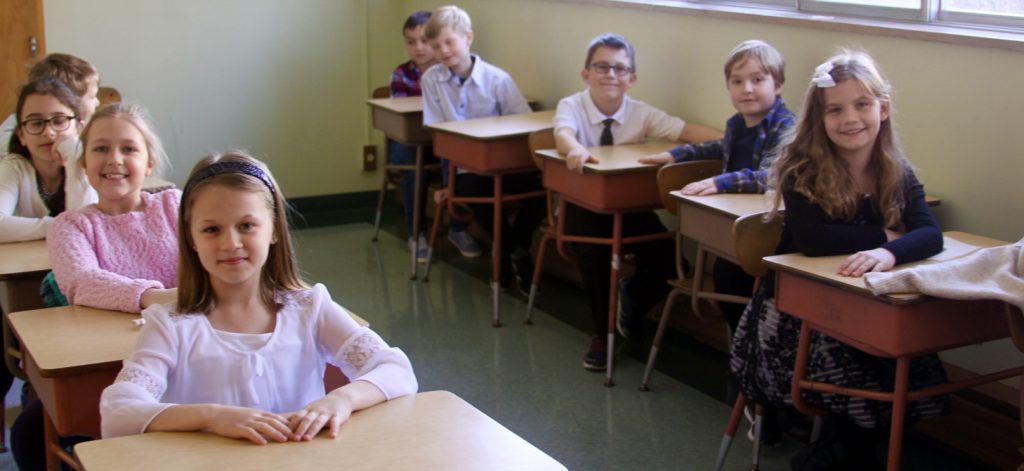
Contact: Maria Kutak-Kozik, jmkozik@netzero.com, phone: 248-818-1527.
School website: (NOT UPDATED; an update is planned soon): https://www.stflorianparish.org/polish-language-school/
1. When and by whom was your school established?
The school was established in 2006. It was founded by three teachers: Halina Massalska, Maria Kutak-Kozik and Urszula Mejza.
2. How many students did you have at the end of 2025? Who are your students?
At the end of 2025 we had 68 students. Our students come from Polish-speaking families. Most children that attend are first-generation Poles who came to the US. We do also have second-generation Polish descent children and children from mixed families (1) Polish- Romanian and (3) Polish American.
3. Where do you hold classes?
Our classes are held in the Convent Building at 2622 Florian St. in Hamtramck, MI belonging to the parish where the school is located. Some school events take place in the Parish Hall under the church.
4. Did the number of students increase, decrease or stay the same in the last two years?
The number of students has decreased in the last 2-3 years.
5. How many instructors does your school employ?
The school employs 5 instructors.
6. Did the number of the instructors increase, decrease or stay the same in the last three years?
Over the last few years, the number of instructors has not changed, because the number of children hasn’t changed too much.
7. What do you consider your biggest achievements of the last two years?
The biggest achievement is the fact that the school still exists even though only two students who attend the school live in Hamtramck while the rest are from outside the city.
8. How do you see the future of your school in the next two years?
The existence of our school is very closely linked to the parish. I think that in the coming years if the parish exists, we will have new students, but not as many as before.
9. What do you consider your biggest challenges in the next two years?
The biggest challenges are maintaining the school despite the changing demographics of the city of Hamtramck and obtaining funds to maintain the school at its current level.
10. What are the sources of funding for your activities? Are they sufficient?
Our activities are funded by tuition paid by parents, as well as by numerous sponsors and parish support. These are sufficient because we plan accordingly, but they cover only the minimum.
11. Please share with us anything else you feel is important and what was not covered in this questionnaire.
I think it is worth emphasizing that what contributes to the fact that the school still exists is the significant commitment of both teachers and parents. Also, that our students participate in numerous ceremonies within both the school and the Polish community, and the students pass their Polish language examinations at a good level.
4. THE FATHER DĄBROWSKI POLISH LANGUAGE CENTER IN ORCHARD LAKE
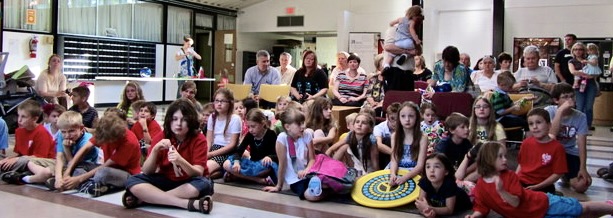
Contact: Grażyna Stanowski grpaku@yahoo.com, phone: 586 242 2077;
Benita Wojciechowski, 586-354-8296 benita.teaches@gmail.com
School website (not updated): https://polishschoolorchardlake.wordpress.com/
1. When and by whom was your school established?
In 1993, by Mrs. Alina Paszek.
2. How many students did you have at the end of 2025? Who are your students?
We had 23 students. They come from Polish-speaking families, first generation Polish Americans and ethnically mixed families.
3. Where do you hold classes?
In Adam Cardinal Maida Alumni Library, 3535 Commerce Rd, Orchard Lake, MI 48324.
4.Did the number of students increase, decrease, or stay the same in the last two years?
The number of students stayed the same.
5. How many instructors does your school employ?
The school employs three instructors.
6. Did the number of instructors change in the last three years?
It stayed the same.
7. What do you consider your biggest achievements of the last two years?
Two of our students have got excellent scores at the Seal of Biliteracy exam and received Michigan certificates.
8. How do you see the future of your school in the next two years?
We are planning to advertise our school. Our goal is to increase the number of students.
9. What are your biggest challenges in the next two years?
Due to the decreasing number of Polish immigrant families, who speak Polish at home, it becomes necessary to regroup the students every year to accommodate and give the best learning opportunities to all the children, regardless of their primary language.
10. What are your sources of funding? Are they sufficient?
Our funding comes from the following: parents’ payments (tuition), The Polish Institute of Culture & Research at Orchard Lake and additional sponsors for Christmas presents for children. They are not sufficient. We need funding for textbooks and teaching aids for teachers to make lessons easier and more engaging for children.
11. Please share anything else you feel is important.
Multi-child families receive significant tuition discounts up to 4 children, the fifth one, and subsequent are free.
5. THE GENERAL PULASKI LANGUAGE SCHOOL, GARDEN CITY
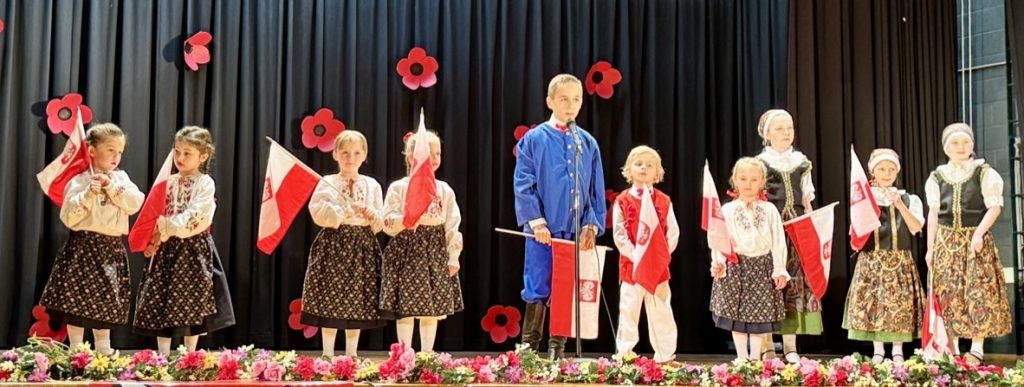
Contact: Natalia Jackson, polaniedetroit96@gmail.com
Website (not updated): https://polishnationalalliancedancers.wordpress.com/
1. When and by whom was your school established?
The General Pulaski Language School was established in 1963.
2. How many students did you have at the end of 2025? Who are your students?
At the end of 2025 we had 12 children. Almost all children participate in both dance (in Polish Dance Alliance) and language. Students were all born in the US & are 1st or later generations. Some students speak Polish as they come from Polish-speaking families and others understand Polish as their babcia and dziadek speak Polish to them.
3. Where do you hold classes/practice?
We currently all practice at St. Thomas the Apostle in Garden City on Saturday mornings.
4. Did the number of students increase, decrease or stay the same in the last two years?
The number of students has basically been the same families in the past 2-5 years, and membership has increased as younger siblings become old enough to join the group.
5. How many instructors does your school employ?
Pani Ania Ligendza has been teaching our language advanced students for over 30 years, and we have always had one other instructor for language. Pani Ania Ligendza teaches language to our more advanced speaking students while pani Veronika Gromek teaches language to our 2nd generation and younger students.
6. Did the number of the instructors increase, decrease or stay the same in the last three years?
Stayed the same.
7. What do you consider your biggest achievements of the last two years?
I would consider the members of the group our biggest achievement as they are all like family. All the parents sit outside the classrooms while their child(ren) are in class and have become very close. Many of these members used to be members when they were younger as well!
8. How do you see the future of your school in the next two years?
Polish Alliance Dancers & General Pulaski have been steady for many years, and I believe that the close bond of the families will continue.
9. What do you consider your biggest challenges in the next two years?
Growing the group. Saturday mornings are not ideal for many families, especially as their children get older and more involved with sports.
10. What are the sources of funding for your activities? Are they sufficient?
Our main fundraiser is our pierogi fundraiser. We make pierogi twice a year, in the fall and during lent. It is an extreme amount of work, but with our dedicated families and recurring customers, this fundraiser will outlive all of us!