20 May 1881 – 4 July 1943
Today we honor the 145th anniversary of the birth of General Władysław Sikorski — one of the most consequential Polish statesmen and military leaders of the 20th century, a figure whose name remains inseparable from the struggle for a sovereign and democratic Poland.
Born on May 20, 1881, in Tuszów Narodowy, Sikorski devoted himself to the cause of Polish independence from an early age. As a young activist, he co‑founded rifle associations and helped build the civic and military structures that would later form the backbone of the reborn Polish state. His strategic leadership during the Polish‑Bolshevik War contributed decisively to the defense of Europe against Soviet expansion.
With the outbreak of World War II, Sikorski became the central figure of the Polish nation in exile. As Prime Minister of the Polish Government‑in‑Exile and Commander‑in‑Chief of the Polish Armed Forces, he undertook the monumental task of rebuilding the Polish military in the West, securing international recognition for the Polish cause, and sustaining the morale of a nation scattered by war and occupation. For millions of Poles, he embodied hope, dignity, and steadfast resolve during the darkest years of the 20th century.
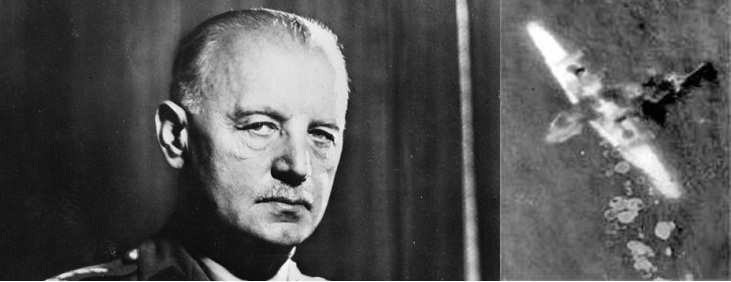
His life was cut short on July 4, 1943, in the tragic plane crash near Gibraltar — an event that continues to evoke questions, debate, and profound emotion. Half a century later, in 1993, his remains were brought home to Poland and laid to rest with honor in St. Leonard’s Crypt at Wawel Cathedral, among the great figures of Polish history.
Today, we remember a statesman of rare integrity, a commander who united duty with compassion, and a patriot who dedicated every moment of his life to the service of his Homeland. His legacy endures wherever Poles cherish freedom, sovereignty, and the responsibility to defend them.
General Władysław Sikorski, c. 1942. Photo courtesy U.S. Library of Congress.